
Unreliable Stories Of Famous Dishes
Peach Melba
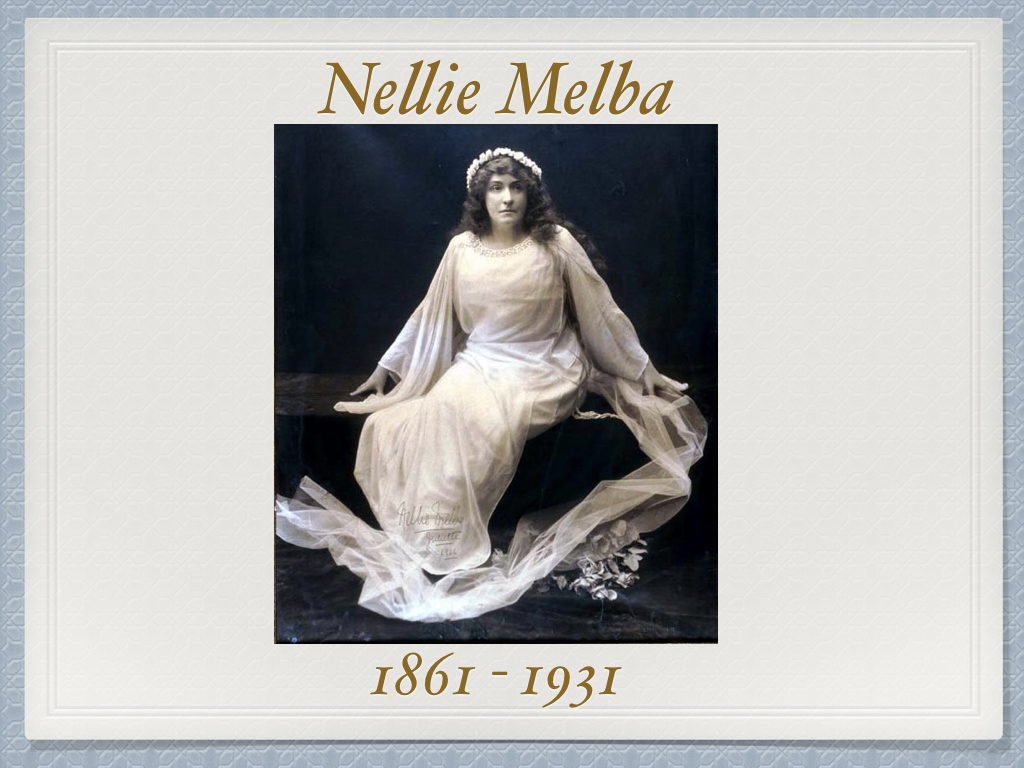
It’s generally believed that Georges Auguste Escoffier created and dedicated the dessert ‘Peach Melba’ to the Australian opera Soprano Nellie Melba to honour her triumphant Covent Garden performance in Wagner’s opera Lohengrin. He did, but it wasn’t Peach Melba that was premiered that night at the after performance party at the Savoy Hotel in 1892, it was a dessert he called Pêche au cygne ‘Peach Swan’, consisting of sliced peaches on a bed of vanilla ice cream, dramatically presented in the wings of a large swan, sculptured in ice. This was in reference to the graceful swan that pulls Lohengrin’s boat as he is majestically transported across the lake in Wagner’s opera.
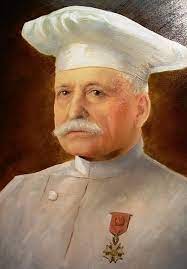
Director of the kitchens at the Savoy Hotel 1890–99
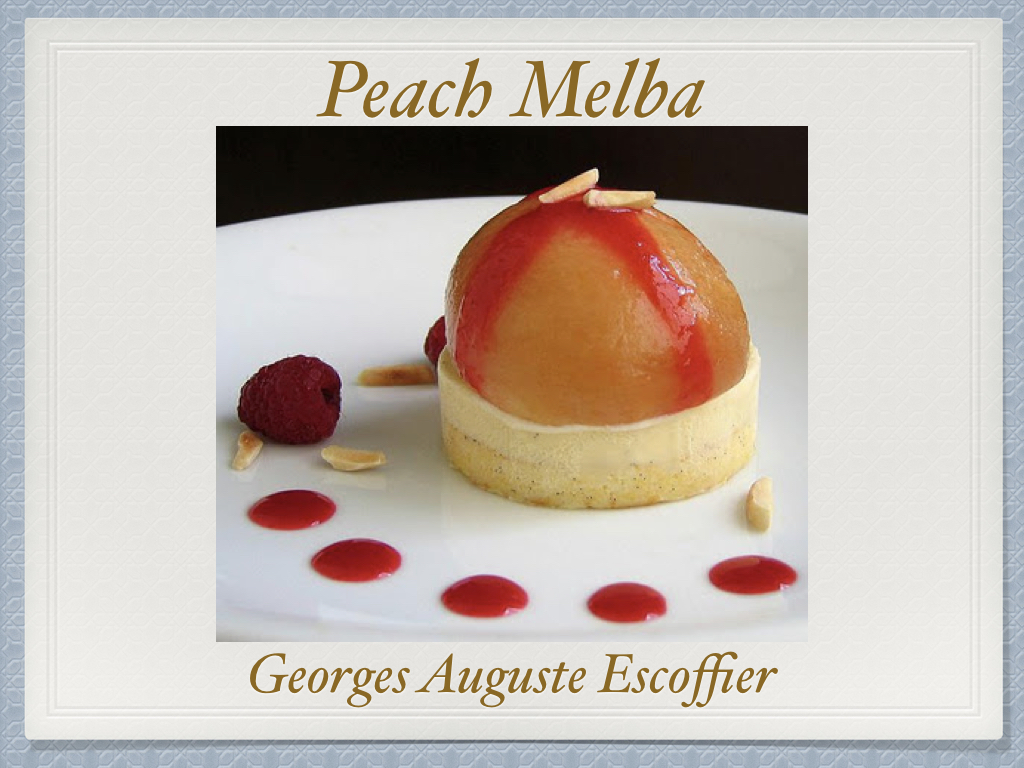
8 years later, Escoffier was asked to create a brand new dessert for the opening of the Ritz Carlton Hotel in London in 1900. He recreated his previous peaches and cream hit ‘Peach Swan’, but this time without the elaborate ice carving, using poached peach halves on the ice cream with the genius twist of a fresh raspberry sauce as a topping, rechristening it ‘Peach Melba’, in the opera singers name.
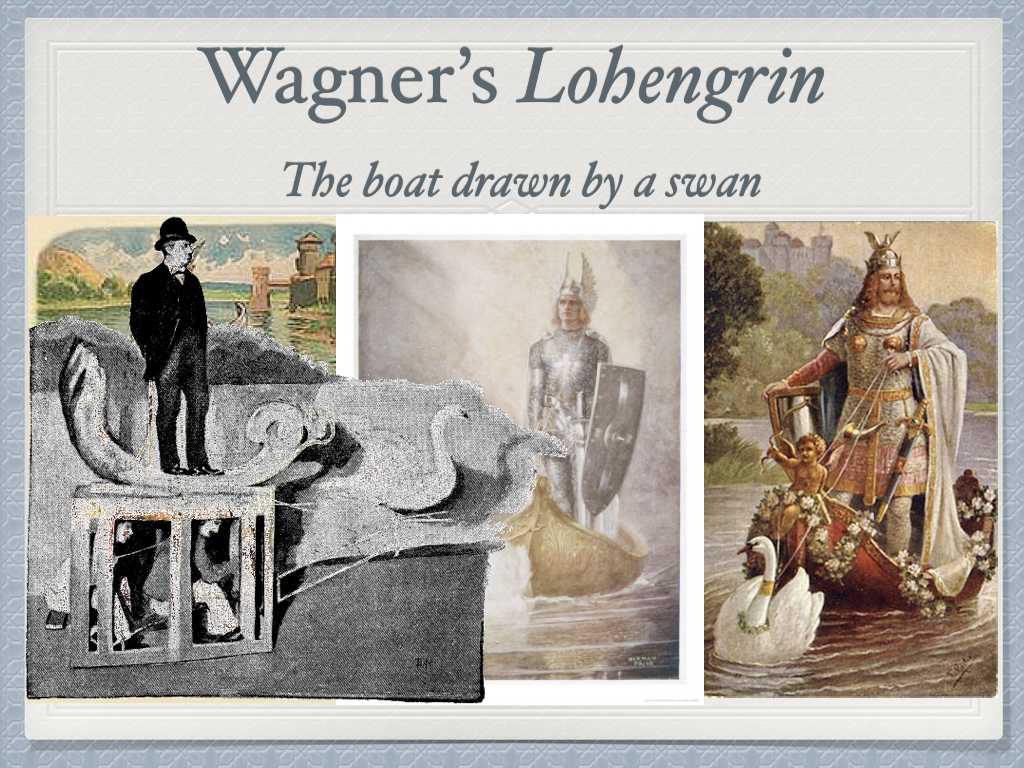
While we’re on the subject of the magnificent swan in Wagner’s opera Lohengrin, there’s an amusing story of Austrian tenor, Leo Slezak, having sung his farewell aria, the stage hands pulled the swan across the stage too early, before the tenor could hop aboard. Seeing his majestic feathered transportation disappear, Slezak turned to the audience and said: “Wann fährt der nächste Schwan?” – When does the next swan leave?.
Escoffier’s recipe for Peach Melba is really easy to make. Peach halves are boiled in water for about 2 minutes, one peach per person. Once the peaches are removed from the water it is easy to slip off their skins and remove the stone. They are then drained, sprinkled with caster sugar and left to cool and served with good vanilla ice cream and raspberry sauce, made by pushing a punnet of fresh raspberries through a fine sieve to remove their seeds, then adding caster sugar to sweeten the raspberry puree.
Georges Auguste Escoffier was born in Villeneuve-Loubet, just outside of Nice, the Provence region of France in October 1846. He had an illustrious career that he enjoyed for the next 62 years, still considered to be the longest career of any chef. The echelons of the kitchen brigade as we know it today; chef de parties, sous chef and head chef, is a system devised by Escoffier to which all large restaurants now religiously adhere. Before this brigade system, a chef with an apron and knife roll was hired by a restaurant as a jack of all trades, expected to work in any section of the kitchen that required him, perhaps filleting fish or making pastry, even peeling potatoes. This ad hoc way of hiring chefs – with varying degrees of competence, brought very little consistency or quality to the dishes coming up from the kitchen to the dining room. Escoffier knew that quality and consistency was the key to a successful restaurant, and realised there was very little point in creating elaborate dishes if he was the only chef who could be trusted to cook and present them properly. He needed to be able to delegate, so Escoffier devised an organised system where chefs were skilled and trained to do specific tasks in the kitchen, to ensure the quality of the dish was the same every time and as close to perfection as it could be.

He also noticed with alarm that the quality and consistency of some of the dishes, were changing dramatically during the later part of service, particularly in the evening. It appeared that in the extreme heat of the poorly ventilated kitchens, the thirsty chefs were drinking anything they could get their hands on, usually beer or wine, and gradually getting drunk. From then on Escoffier banned the drinking anything alcoholic in the kitchen, to a chorus of disapproval, he solved this problem of quenching their thirsts throughout the day by installing a large barrel of ice-cold lemon barley water with a tap and tray of glasses for the staff, which proved to be a success.
He was also responsible for simplifying menus, instead of vast arrays of dishes all served at once; Service à la Française (as was the practice), it was Escoffier that gave a choice and served them in the order they appeared on the menu, known as, Service à la Russe.
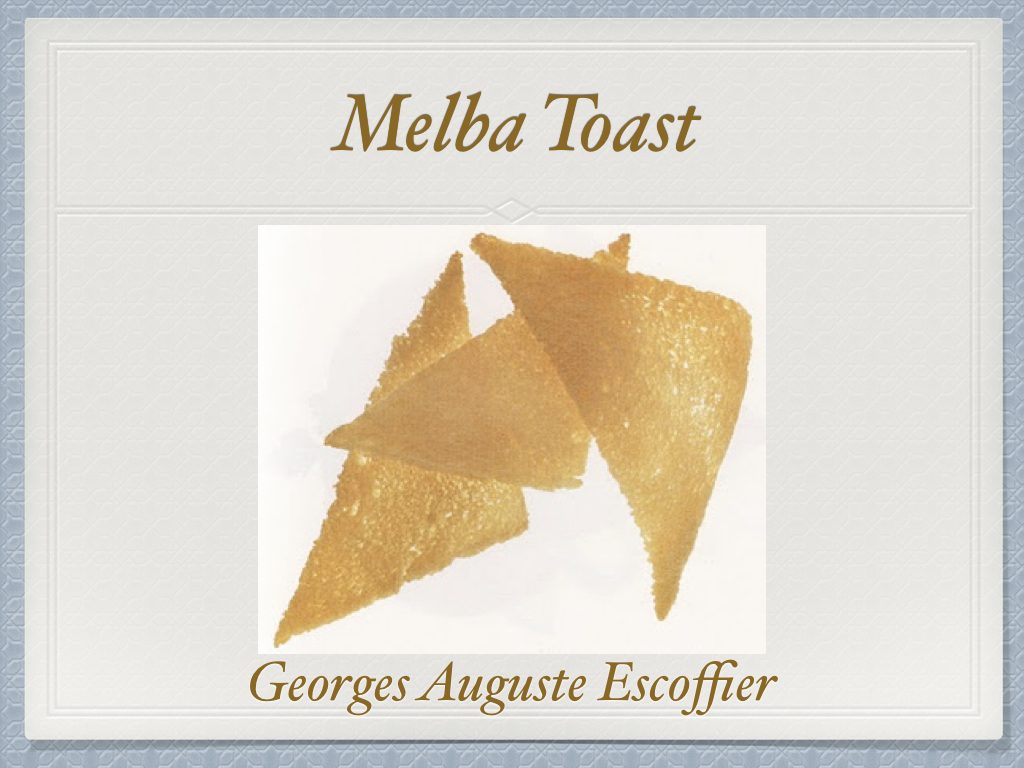
Melba toast is also named after Dame Nellie Melba, it’s the crisp, thinly sliced toast, often served with salads, pate, soup and Lobster Newburg, as I mentioned earlier. It was created for her by Escoffier when the singer was ill and thin pieces of toast was all she wanted to eat. Supposedly named by the hotel proprietor, Cesar Ritz. Dame Nellie Melba died from the complications of a blood infection after undergoing a facelift operation in St. Vincent’s Hospital in Sydney, In 1931
Comments are closed.